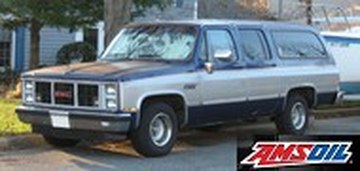
Maintaining Lubrication Standards for the 1981 Gmc Trucks SUBURBAN 7.4L
Owning a large-displacement vehicle like the 1981 Gmc Trucks SUBURBAN with its 7.4L engine requires a disciplined approach to routine maintenance. Because these engines are designed for significant work and long-term operation, the quality of the fluids used and the frequency of inspections play a vital role in preserving mechanical integrity. Proper lubrication management is not merely about changing oil; it involves monitoring the entire system for signs of wear, ensuring seals remain effective, and selecting products that align with the specific needs of an older, large-capacity engine.
Monitoring Fluid Integrity and Potential Leaks
One of the most practical aspects of maintaining a 1981 Gmc Trucks SUBURBAN is performing regular visual inspections of the engine bay. Over time, various components are subject to heat cycles and vibration, which can affect how well they hold fluids. When conducting a routine check, look for any signs of seepage or active leaks around the engine block and associated components. Even small amounts of fluid appearing on the underside of the vehicle or pooling in the oil pan area warrant investigation.
If you notice an unusual odor that may indicate oil contacting a hot surface, it is important to identify the source. Such odors can be associated with various issues, ranging from a loose cap to seepage from a gasket. Similarly, if you observe any changes in how much oil the engine seems to use between service intervals, this should be documented and investigated. Identifying these signs early allows for more controlled maintenance rather than reacting to unexpected mechanical issues.
Managing Aging Components and Seals
As vehicles age, the materials used in gaskets and seals can undergo changes in flexibility. For a 1981 Gmc Trucks SUBURBAN, it is wise to inspect accessible seals and gaskets for signs of age-related seepage. While some level of minor weeping is common in older engines, significant leaks can lead to fluid loss that compromises the system.
Beyond the engine itself, other rubber and plastic components should be part of a regular inspection routine. If equipped, check any visible hoses for signs of cracking, softening, or bulging. Similarly, inspect accessible drive belts for evidence of glazing, fraying, or deterioration. Maintaining these peripheral components helps ensure that the engine operates within its intended thermal and mechanical parameters. A proactive approach—inspecting based on the actual condition of the parts rather than just the age of the vehicle—is often the most effective way to prioritize repairs.
Establishing a Maintenance Baseline
For many owners of classic or older trucks, the service history may be incomplete. In these cases, the first priority is establishing a maintenance baseline. This involves performing a thorough inspection of all fluids and mechanical components to determine their current state. Once you have documented the current condition of the oil, the cooling system, and various belts and hoses, you can create a personalized maintenance schedule based on observed needs.
Keeping detailed records is an essential part of this process. Documenting when oil was changed, which products were used, and any observations made during inspections provides a clear history for future service. This documentation is invaluable if you ever need to troubleshoot a new symptom or if you decide to sell the vehicle, as it demonstrates a consistent approach to care. When records are unavailable, treating every service interval as an opportunity to re-verify the condition of all major systems is the safest way to manage long-term ownership.
Observing Changes in Engine Performance
Maintenance is not just about what you can see under the hood; it also involves paying attention to how the vehicle behaves during operation. Any sudden changes in engine noise or vibration should be investigated promptly. While some mechanical noise is expected in older engines, a new or rhythmic sound can be an indicator that something requires attention.
It is also important to monitor any warning indicators on the dashboard. If a warning light appears, it should not be ignored, as these indicators are designed to alert you to conditions that could lead to more significant issues if left unaddressed. Furthermore, keep an eye on exhaust characteristics; while certain observations can be caused by many different factors, any noticeable change in exhaust appearance or odor is worth noting during your next service check.
Prioritizing Service Tasks
Effective maintenance requires distinguishing between urgent repairs and routine preventive care. If you encounter an active leak or a component that shows significant signs of wear, such as a heavily frayed belt, these should be addressed before continuing with standard oil changes or filter replacements. Addressing active issues prevents them from escalating into more complex mechanical problems.
When managing the maintenance of a 1981 Gmc Trucks SUBURBAN, focus on the most critical systems first: lubrication, cooling, and electrical integrity. By addressing these foundational elements, you create a stable environment for the engine to operate. Always prioritize tasks that directly impact the engine's ability to manage heat and reduce friction.
Practical Guidance for Buying Engine Oil for your 1981 Gmc Trucks SUBURBAN 7.4L
When it is time to replenish the lubrication in your 1981 Gmc Trucks SUBURBAN 7.4L, the most important step is to ensure the product you select matches the specific requirements for your engine. Rather than relying on general assumptions about older vehicles or high-mileage engines, always refer to the application-specific oil viscosity and information provided on this webpage.
Before making a purchase, carefully check the product labels to confirm they meet the necessary standards. You may encounter various options, including conventional oils, synthetic blends, or full synthetic formulations. Some high-mileage oil formulations also contain additives intended for use in aging engines, such as seal-conditioning agents. While these can be useful, your primary goal is to match the lubricant to the viscosity and specifications listed in your vehicle's application data. By following the specific guidance displayed here, you ensure that the engine receives the correct level of protection and performance appropriate for its design.